Powerwashing Tips and Tricks for a Spotless Home
Before a single drop of water hits a surface, equipment selection determines whether the job goes smoothly or causes damage. Pressure washers are rated in…
October 16, 2026 · 5 min read
Key Takeaways
- Matching nozzle selection to surface type prevents costly damage and improves cleaning results
- Pre-treating stains and working in consistent overlapping passes eliminates streaking
- Knowing when to call a professional saves time, protects surfaces, and avoids safety hazards
Powerwashing Tips and Tricks Start With the Right Equipment
Before a single drop of water hits a surface, equipment selection determines whether the job goes smoothly or causes damage. Pressure washers are rated in PSI (pounds per square inch) and GPM (gallons per minute), and both numbers matter. A machine with high PSI but low GPM won't rinse effectively, while a high-GPM unit with insufficient PSI struggles on stubborn stains. For most residential surfaces, a unit in the 1,500–2,800 PSI range covers the majority of tasks without posing a risk to softer materials.
Nozzle choice is equally important. The five standard nozzle tips — 0°, 15°, 25°, 40°, and the soap/low-pressure tip — each serve a distinct purpose. The 0° red tip concentrates water into a pinpoint stream powerful enough to etch concrete or strip paint from wood if held too close. The 25° green tip handles most general cleaning tasks on hard surfaces like driveways and sidewalks. The 40° white tip works well on siding and painted surfaces where a gentler touch is needed. Using the wrong nozzle on the wrong surface is one of the most common mistakes homeowners make, and the resulting damage — gouged wood, stripped paint, cracked grout — is rarely reversible.
For detergent application, always use the downstream injector or the dedicated soap nozzle. Forcing soap through a high-pressure nozzle wastes product and can damage the pump. Apply detergent at low pressure, allow dwell time of two to five minutes depending on the product, then rinse at higher pressure working from top to bottom.
Surface-Specific Powerwashing Tips and Tricks
Concrete driveways and sidewalks are among the most forgiving surfaces for pressure washing, but they still require technique. Hold the nozzle 8–12 inches from the surface and work in consistent, overlapping passes at a 45-degree angle to the surface. Straight-on blasting creates visible lines called 'zebra striping' that are difficult to remove. A surface cleaner attachment — a spinning bar with dual nozzles — produces far more uniform results than a standard wand on flat concrete and cuts cleaning time significantly.
Wood decks and fences demand a different approach entirely. Pressure that cleans concrete will raise the grain on wood, leaving a rough, fuzzy texture that traps dirt faster than before. Keep PSI at or below 1,200 for most wood, and use the 40° nozzle or a dedicated wood-cleaning tip. Always spray in the direction of the wood grain, never across it. Pre-treating with a wood-specific cleaner or a diluted oxygen bleach solution before washing loosens embedded grime and mildew without requiring aggressive pressure to compensate.
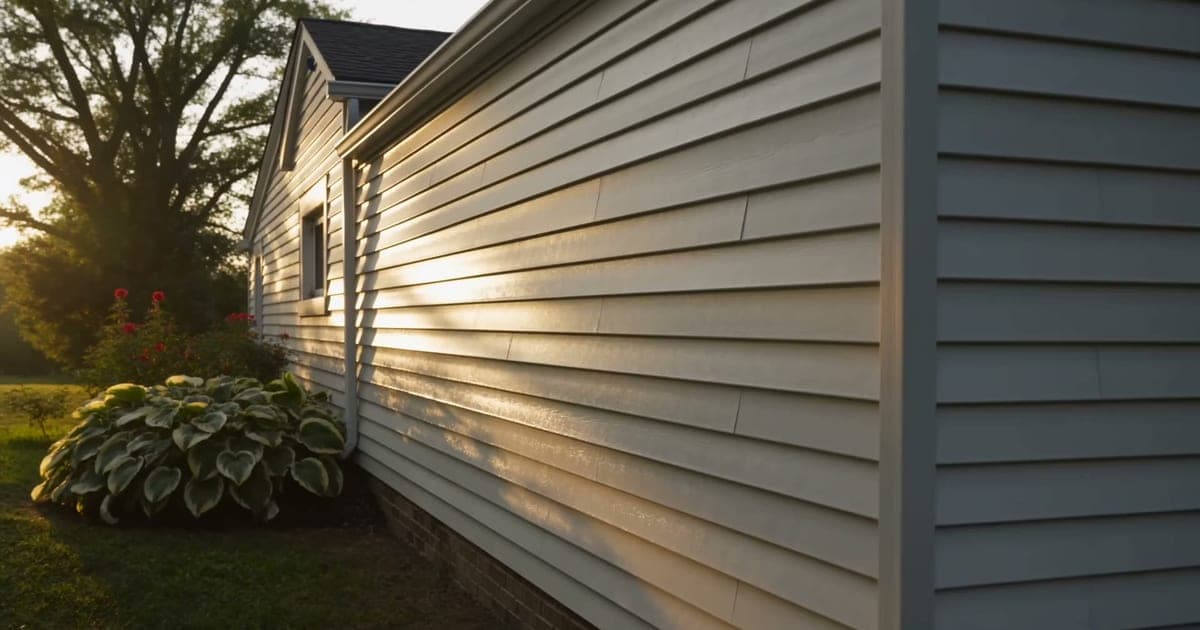
Vinyl and fiber cement siding respond well to soft washing — a method that relies on low pressure and a higher concentration of cleaning solution rather than raw water force. Algae, mold, and mildew stains on siding are biological growth, and pressure alone won't kill the root structure. A sodium hypochlorite-based solution applied at low pressure, allowed to dwell, and then rinsed off addresses the stain at the source. Brick and mortar require particular caution; aged mortar can be dislodged at pressures that seem moderate, so starting with the lowest effective pressure and testing in an inconspicuous area is non-negotiable.
Safety and Preparation: The Powerwashing Tips Most People Skip
Pressure washing generates significant force, and injuries from direct contact with the stream are more serious than most people expect. Water at 2,000 PSI can lacerate skin, cause deep tissue damage, and introduce bacteria into wounds. Eye protection, closed-toe footwear with grip, and keeping bystanders — especially children — well clear of the work area are baseline requirements, not optional precautions.
Pre-job preparation protects property and improves results. Cover exterior electrical outlets, light fixtures, and HVAC units with plastic sheeting or plastic bags secured with tape. Move patio furniture, potted plants, and vehicles out of the spray zone. Close windows and doors, and check for any gaps in siding or trim where water could infiltrate wall cavities. Wet plants and landscaping with plain water before applying any cleaning solutions, and rinse them again after — most cleaning agents are safe when diluted, but concentrated solution sitting on foliage causes damage.
Working on ladders with a pressure washer is a recognized hazard. The recoil force from the wand can shift balance unexpectedly, and wet surfaces compound the risk. For two-story work — cleaning gutters, high siding, or second-floor windows — the safer approach is using an extension wand from ground level or engaging a professional service with the equipment and training to work at height safely.
When Professional Powerwashing Tips and Tricks Outperform DIY
Rental equipment and consumer-grade pressure washers cover routine maintenance tasks adequately. Stubborn oil stains, years of accumulated algae on a roof, heavily oxidized concrete, or surfaces that require hot water to clean effectively are situations where professional-grade equipment makes a measurable difference. Commercial units operate at higher flow rates and can deploy heated water, which dissolves grease and oils that cold water leaves behind regardless of pressure.
Roof washing is one area where professional service is strongly recommended over DIY attempts. Walking on a wet roof is dangerous, and high-pressure washing on asphalt shingles voids most manufacturer warranties and accelerates granule loss. Professionals use soft-wash systems specifically calibrated for roof surfaces, applying the right dilution of cleaning solution to eliminate algae, moss, and lichen without damaging the shingles or requiring anyone to walk on the roof surface.
There's also the question of time and results. A professional crew with surface cleaners, appropriate chemical application equipment, and the experience to identify problem areas completes in a few hours what might take a homeowner most of a weekend — with consistently better results. For annual maintenance cleaning of driveways, siding, and walkways, the cost-to-outcome ratio of professional service is worth calculating honestly rather than assuming DIY is always the more economical choice.
The difference between a clean surface and a damaged one often comes down to nozzle selection, standoff distance, and matching the cleaning method to the material — not simply how much pressure is applied. Homeowners who invest time in understanding these variables get better results and avoid the repair costs that come from treating every surface the same way. For surfaces that require hot water, elevated work, or soft-wash chemistry — roofs, multi-story siding, and heavily stained concrete among them — professional service isn't a luxury; it's the method that produces lasting results without the risk of collateral damage.
Shining Star Power Washing, (517) 605-5020
Call (517) 605-5020More articles
How Often Should You Power Wash Your Home in Whitmore Lake, MI?
Whitmore Lake, MI sits in a climate zone that puts real stress on exterior surfaces. Wet springs, humid summers, and hard freezes from November through…
What a Michigan Winter Does to Your Concrete Driveway
The grey film that shows up every spring is what road salt and a winter of freeze-thaw cycles leave behind on the slab.